
The Psychology of Game Rewards: What Casual Games Can Teach Us About Sweepstakes Platforms
Ever opened a game to collect a daily bonus and ended up playing for another hour? Game developers know exactly what keeps us coming back, and it goes well beyond winning. Those little rewards have a surprising effect on the way we play, even when there is nothing valuable at stake.
There is something satisfying about finally beating that level that's been giving you headaches since forever. You've tried every trick you know, probably cursed at the screen a few times, and then suddenly you've cracked it. The game hands you a reward, and you're already itching to tackle the next challenge. Casual games are brilliant at keeping that excitement going, and there's some interesting psychology behind why even the smallest rewards can keep us playing for hours.
A Reward Feels Better When You've Earned It
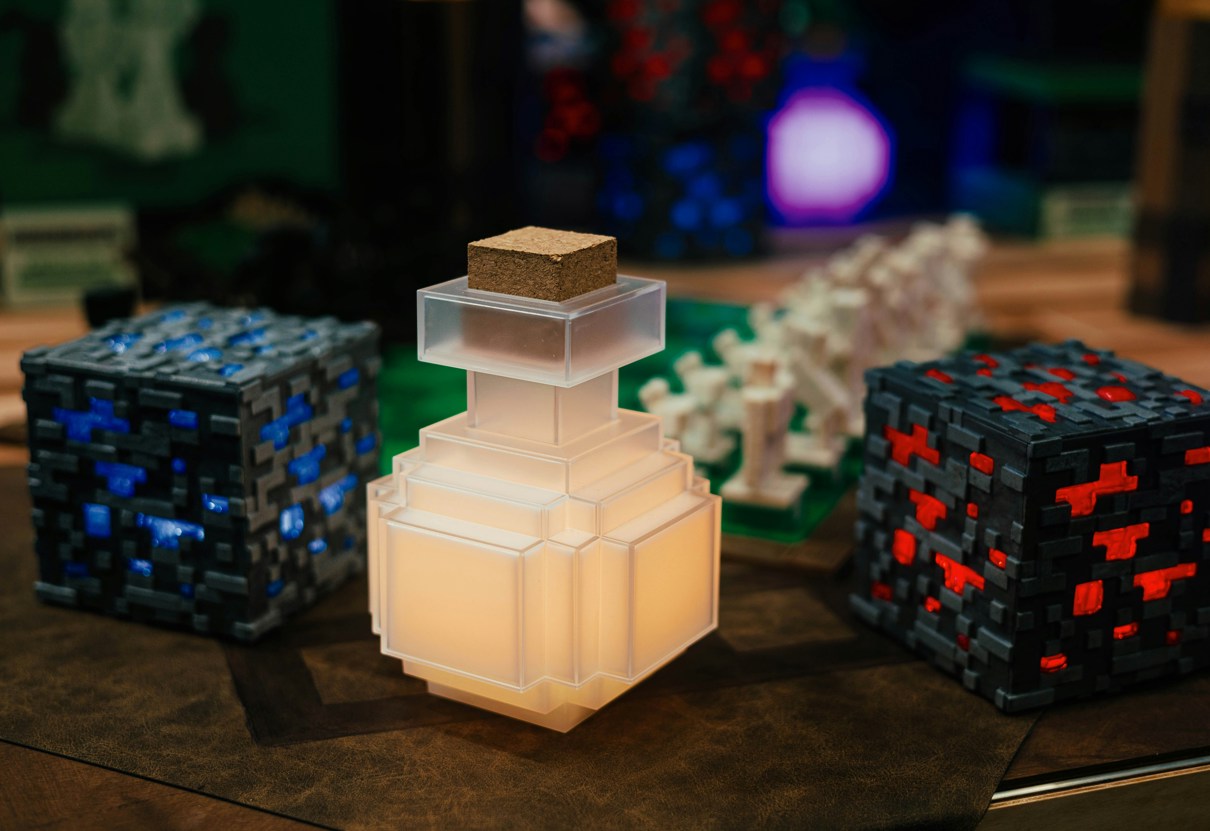
Finding diamonds in Minecraft can take a fair bit of patience, especially when you've spent ages digging through stone with nothing much to show for it. Then you spot that blue ore, and suddenly all that mining seems worthwhile. Diamonds let you craft stronger tools and better equipment, so finding them gives you something useful to work with as well as the satisfaction of a successful hunt.
There's a reason that searching for diamonds in Minecraft is such a big part of the experience. The game makes you work for something valuable, and the reward opens up new possibilities once you have earned it.
Free Fire takes a different approach to valuable items. Diamonds are a premium currency that players use to obtain cosmetics and other in-game content. You can spend them quickly, but making your Free Fire diamonds last longer takes a little planning, particularly when limited-time events offer tempting purchases.
Both games give players something worth pursuing, although the satisfaction comes from different places. Minecraft rewards the effort involved in finding a resource, and Free Fire gives players decisions about what their currency is worth spending on.
Rewards Can Change Your Sense of Achievement
Getting rewarded doesn't always mean you have suddenly become better at a game. Interestingly, it can make you think you have.
Researchers explored this in a 2025 study involving two experiments with 340 and 342 participants. Their findings showed that rewards influenced how participants judged their own abilities, even when their actual performance was controlled. Receiving a reward for a correct answer also influenced expectations about future success.
Think about finally getting three stars on a puzzle level. The stars tell you you've done well, and that little bit of recognition can give you the confidence to tackle something harder. The study wasn't conducted on commercial games, but it demonstrates an interesting connection between rewards and the way people judge their performance.
That's part of what makes gaming achievements so enjoyable. The game acknowledges what you've accomplished, and you're ready to have another crack.
Different Rewards Give Players Different Reasons to Return
Casual games have plenty of ways to reward you, and they don't all work the same way. A puzzle game might award points immediately after a successful move, giving you instant confirmation that you have done something right. Finish the level and another reward might be waiting, perhaps a new challenge or an achievement badge.
Daily rewards work differently because they give you something to collect when you return. You might open a game intending to claim your bonus, then end up playing a few rounds because you're already there. It's an effective way to encourage regular visits without requiring players to complete a difficult challenge every time.
Progression rewards add another incentive. Collect enough points or complete enough tasks, and you unlock something you've been working toward. The interesting part is knowing that each session brings you closer to that target, even when you don't reach it immediately.
The reward systems used in casual games also appear on sweepstakes platforms, although the incentives differ. Just as players may compare rewards and progression systems across casual games, they can compare welcome coin offers, daily rewards, loyalty programs and game selections across sweepstakes platforms. The top sweepstakes casino recommendations on Casino.org provide a useful point of comparison, highlighting the different incentives available on each platform.
Casual Gaming Has Become an Everyday Habit
Casual gaming has a huge audience in the United States, and it's certainly not limited to teenagers playing on their phones.
The Entertainment Software Association's 2026 research found that 212.3 million Americans play video games every week, representing 67% of people aged 5 to 90. Mobile gaming is particularly popular, with 80% of players using mobile devices and 66% of mobile players enjoying puzzle games.
Those figures help explain the appeal of games that fit into everyday routines. You can finish a puzzle during a coffee break, collect an achievement and get back to whatever you were doing.
The Best Rewards Give the Achievement Meaning
That stubborn puzzle level from the beginning is a good example of what makes game rewards enjoyable. You've put in the effort, finally worked out the solution and earned something that recognizes your success.
Minecraft diamonds offer a different experience, but the principle is much the same. The reward has a purpose within the game, and getting it gives you a reason to keep playing.
A good reward makes the next challenge worth tackling, even when all you're collecting is another little star on the screen.



Update