
Browser Games, Then Browser Chance Games: How Web-Native Play Evolved Over Two Decades
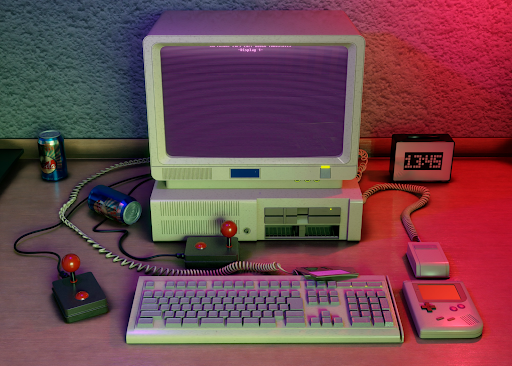
Do you remember the first time you played a game in your browser? In the early 2000s, browser games became a small but memorable part of daily internet life. They were easy to access, fun to explore, and available with just a few clicks.
Two decades later, browser gaming looks very different. The same technology that once hosted tiny Flash games now powers multiplayer titles, strategy games, and even casino-style experiences. Web-native gaming has grown from simple experiments into a broad category of entertainment that millions of people access instantly.
Understanding how this transformation happened reveals how powerful browser technology has become. Over the past twenty years, web-based play has evolved through several important stages.
The Early Era of Simple Browser Games
According to research, the first video game was released in 1987. But then, browser games were ubiquitous in the early 2000s. Several game sites had extensive collections of games that could be immediately started by the players. The majority of such games were based on technologies such as Flash or Java and could be played in a browser.
These early games shared several key traits:
-Simple controls
-Short gameplay sessions
-Fast loading times
-No downloads required
Such a combination made browser games highly available. The ability to play could be done within minutes by any person with internet access.
The genres that were popular at this time were tower defense titles, physics puzzles, and arcade challenges. The freedom of developers was enhanced due to the availability of browser platforms to make it easy to publish games.
The Rise of Browser Gaming Communities
The culture of browser games began to develop as they proliferated on the internet.
Online games portals hosted massive libraries of games, and gamers were able to enjoy a wide range of genres within one sitting. The players did not spend weeks on one game, but switched between experiences.
Browser gaming is growing rapidly with the sharing. Early social media, forums, and blogs enabled gamers to send game links to games they liked.
One common connection would get thousands of players into a game virtually in no time. This enhanced a high level of discovery. Gamers were always looking to find something innovative and new on gaming sites. Casual entertainment was done on the browser itself.
The Transition to Modern Web Gaming Technology
Flash was the engine of most of the browser games for several years. It enabled the developers to create interactive experiences that were compatible within web pages.
However, the situation in the technological landscape started to change.
Flash became less popular among developers in the late 2010s as they shifted to widely used modern technologies like HTML5, WebGL, and sophisticated JavaScript platforms. Such technologies enabled games to execute without any plugins and within the browsers.
The change increased the capabilities of browser games significantly. Graphics improved. Animations became smoother. Multiplayer and improved gameplay could be introduced by developers.
Due to this, browser games started to provide more elaborate experiences. Certain titles even began competing with downloadable games regarding the playability of the game.
The Expansion Into Browser-Based Casino Games
As browser technology matured, new categories of web gaming appeared. Casino-style games became one of the formats that adapted well to browser environments.
Many casino games rely on quick rounds and simple mechanics. These qualities translate naturally to browser play because players can begin immediately without installing additional software.
Today, several platforms host casino-style games that run directly inside web browsers. For instance, players interested in probability-based gameplay explore options like dice games online, which offer quick rounds and straightforward interactions without requiring downloads.
This development shows how browser gaming expanded beyond arcade titles into a broader ecosystem of online entertainment.
Instant Accessibility as the Core of Web-Native Gaming
Despite the availability of strong consoles and mobile applications in the current market, browser-based games are still appealing to vast audiences.
This is primarily because of accessibility. It takes several seconds to open a browser tab and start a game. No huge downloads, updates, or intricate installations.
This is the one that has continued to characterize browser gaming in the process of its development. Players have the opportunity to play games fast on other devices, such as laptops, tablets, and shared computers.
This accessibility is also beneficial to developers since browser games are available to larger audiences without the need to install specific apps.
The Future of Browser Gaming
Browser gaming is unlikely to disappear anytime soon. With the ongoing advancement of web technology, more possibilities of browser-based play are emerging.
The next generation of web gaming is being defined by faster browsing, integration of cloud-based gaming, cross-platform, and enhanced ability to view better graphics. But despite all the technological changes, the core appeal remains the same. Browser games are easy to access, easy to share, and easy to enjoy.
Sometimes, that simplicity is exactly what keeps players coming back.



Update