
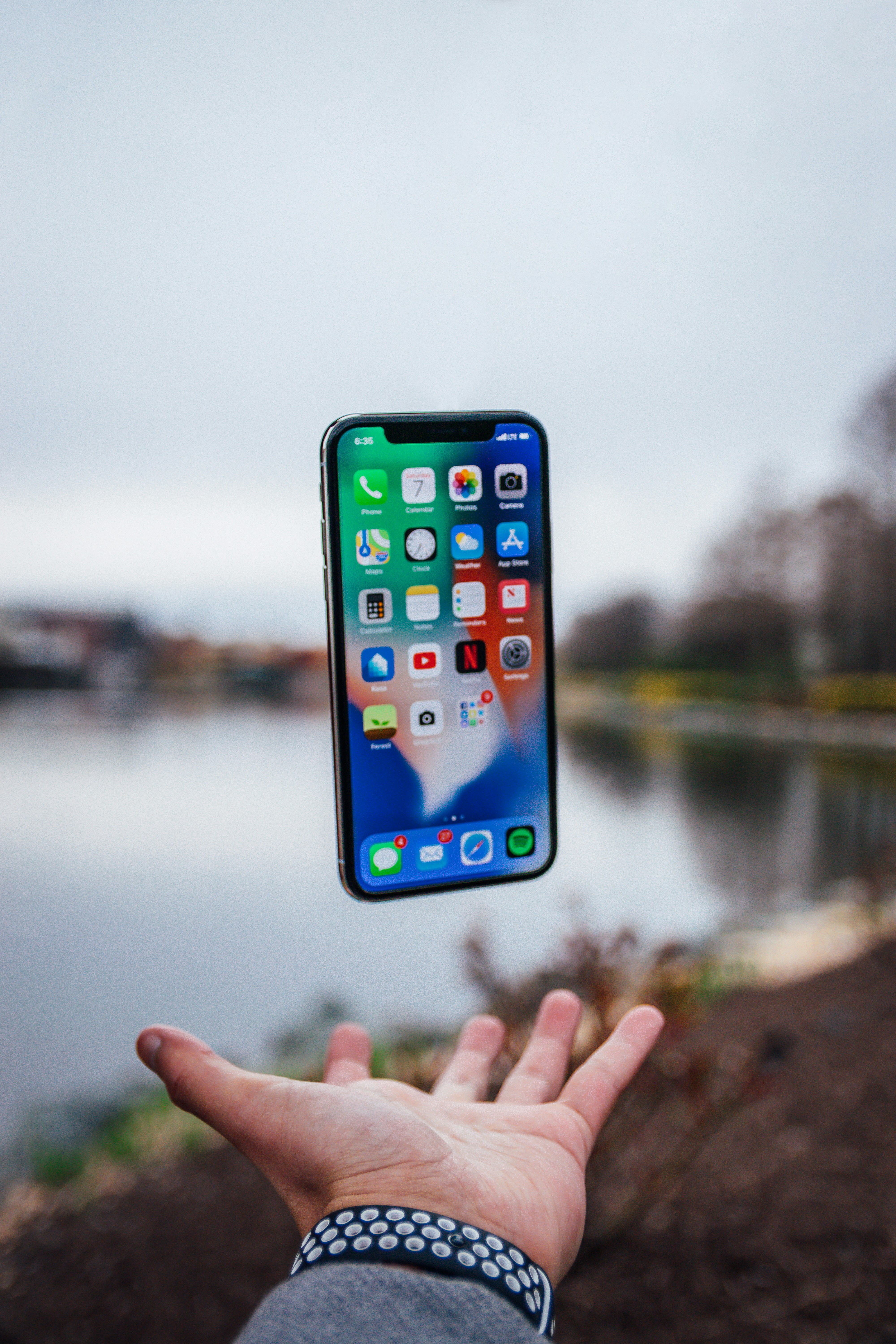
Gaming has moved into the gaps of the day. You see it on trains, in lunch breaks, on sofas, and during the loose ten minutes before a game starts.
The phone now carries puzzle sessions, console libraries, sports apps, casino lobbies, and chat rooms in one device. The Entertainment Software Association said 80 percent of US players use a mobile device, while more than 205 million Americans play video games for at least one hour each week. That figure explains why mobile design now shapes the way games get built, marketed, and played.
The market data tells the same story from another angle. Newzoo projected global games revenue of $188.8 billion in 2025, with mobile accounting for $103 billion and 55 percent of the total. Sensor Tower reported that users spent 5.3 trillion hours across iOS and Google Play apps in 2025, equal to about 3.6 hours a day per mobile user. That doesn't mean consoles have faded. It means the phone has become the first screen for many players.
Comparison Pages Now Serve Mobile Bettors
Casino comparison sites fit into this broader mobile habit because users want fast checks before they download an app or create an account. They compare offers, payment options, state rules, app features, and terms in one place. That helps sports fans who want the next market before kickoff, and it helps developers who study how an affiliate page guides a user from research to signup.
A reader looking through casino comparison site SportsbookReview.com can see how mobile betting promotions now sit beside app steps, eligibility notes, and product details. Its promotion page shows deals structured in much the same way as Kalshi's promo code, with account actions and trading terms explained before the user joins. That format reflects a mobile-first audience: people want the offer, the rule, and the next tap in the same view, without digging through a long desktop page.
Not Every Console Move Works
The phone still asks hard questions of a console game. Controls, screen size, battery life, storage, price, and session length all affect whether a port feels natural. A title made for a large display can work on mobile, but it needs careful interface choices. Players can forgive a smaller screen. They have less patience for cramped menus and awkward touch inputs.
Call of Duty: Warzone Mobile showed that brand size alone can't solve those problems. Activision confirmed that servers would shut down on April 17, 2026, and unused COD Points would no longer be accessible after that date. The lesson for publishers is direct: mobile users want a version built for the device in their hand.
Mobile-Native Games Still Lead Daily Play
Mobile-native titles have an advantage because they start with the phone. They use short sessions, clear menus, fast rewards, and touch-friendly actions. That suits casual players, indie fans, and people who want one round before doing something else. The design doesn't have to pretend it came from a console.
Puzzle games show why that works. The ESA found that puzzle was the top mobile genre at 66 percent, driven in part by older players. These games fit commutes, waiting rooms, and evening downtime because progress can happen in small pieces. They also work across age groups, which gives mobile a reach that console genres don't always match.
Adventure Has Changed Shape
Adventure games have also adapted to mobile by using saves, chapters, map markers, and shorter objectives. A player can solve one scene or complete one quest without clearing a full evening. That helps story-led games reach people who like exploration but don't have the time or setup for a console session.
Indie developers benefit from that pattern because mobile stores can support smaller, character-led games beside larger brands. The challenge sits in discovery. A good game can disappear under thousands of releases, so store pages, reviews, trailers, and community posts carry real weight. Mobile access opens the door. Visibility decides who walks through it.
Casino Gaming Has Its Own Mobile Lane
Casino gaming now forms one part of the mobile entertainment mix, but it comes with adult rules. The American Gaming Association reported that US iGaming revenue reached $10.74 billion in 2025. Legal casino apps can include slots, blackjack, roulette, live dealer tables, and sportsbook options where state law allows them.
Players should treat casino apps as regulated gambling products, not casual games. Age checks, location checks, payment steps, and withdrawal rules set them apart from mobile titles aimed at general audiences. If you build or review these products, the user needs clear terms, responsible gambling tools, and a wallet flow that doesn't hide key limits.
Sports Turned Phones Into Second Screens
Sports gaming moved to mobile because live events already live there. Fans check lineups, injury reports, stats, clips, and community reaction before a match starts. A betting app or fantasy product now competes with those habits, so speed and clarity matter. The user won't wait through clutter while the team sheet changes.
That second-screen behaviour also helps explain the rise of real-time features. Live odds, player props, same-game markets, and push alerts all suit mobile because sport moves in short bursts. The product has to respect that pace. A user who opens an app during a timeout wants the market, the rule, and the account balance without a scavenger hunt.



Update