
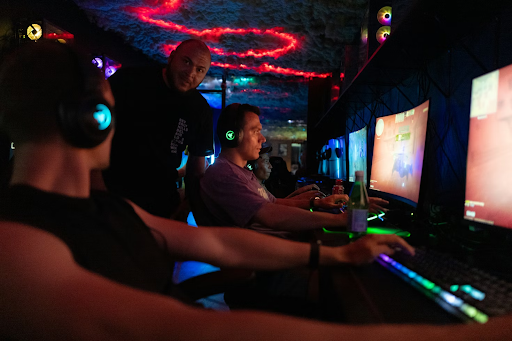
Gaming isn't some niche hobby anymore. It's everywhere. People of all ages, backgrounds, and interests play games now, whether that's on a console, a PC, or a phone. It's one of the few hobbies where a teenager, a parent, and a grandparent could all be playing the same thing for completely different reasons. At its best, gaming levels the playing field. You jump in, have a laugh, and share an experience, whether that's with close friends, family, or complete strangers online.
But here's the awkward bit no one really talks about. Joining friends who've been gaming for years can feel intimidating. They know the controls. They know the maps. They use words you don't recognise. You're trying to keep up while quietly worrying you're slowing everyone down. That feeling alone is enough to put a lot of people off before they even start.
Feeling like the weak link is normal
If you've ever watched friends play and thought, "I'll just embarrass myself," you're not alone. That anxiety is incredibly common. Gaming has its own rhythm, and when you're new, it can feel like everyone else is dancing to music you can't hear yet.
The pressure often comes from performance. You don't want to be the reason a match is lost or a mission fails. Even if no one says anything, you feel it. That's usually when people tell themselves to just deal with it or avoid playing altogether. The truth is, every experienced player started exactly where you are now. They just forget what that felt like.
You don't have to start with competitive games
One of the biggest misconceptions about gaming is that it's all about competition. Fast reactions. High scores. Winning. In reality, plenty of people play games specifically to relax. No leaderboards. No pressure. No judgement.
There are games built around creativity, exploration, or simple repetition that don't require quick reflexes or deep knowledge. Life-sim games, puzzle games, and story-driven titles are popular for a reason. They let you enjoy being part of something without feeling tested.
If you're more comfortable with familiar formats, if you like card games, then you could play poker online in a relaxed, casual setting to get used to how games work digitally. Starting somewhere familiar helps your confidence grow without forcing you into high-pressure situations.
Cooperative games change everything
If competition feels stressful, cooperative games are a game-changer. Instead of fighting other players, you're working together against the game itself. This style of gaming is often called PvE, meaning player versus environment, and it's one of the most welcoming ways to game with others. In fact, loads of people dedicate most of their gaming time to just PvE content, and they don't even bother playing against other players unless it's meant to be light-hearted and casual fun.
There are plenty of games like Minecraft, Terraria, or newer titles like Hytale that focus on building, exploring, and surviving together. There's no scoreboard comparing you to your friends. Everyone contributes in different ways. One person gathers resources. Another builds. Someone else explores. You're useful just by being there.
That shared effort creates a much calmer atmosphere. Mistakes don't feel embarrassing. They're just part of the process. For newcomers, PvE games are often where gaming finally clicks as something fun rather than stressful.
Relaxed games still count as gaming
It's easy to think you're not a "real gamer" unless you're playing the latest intense release. That idea puts unnecessary pressure on people. Gaming is whatever you make of it.
Plenty of players spend their time on farming games, management sims, or slow-paced adventures. Others enjoy turn-based games where you can take your time. These experiences are just as valid and often far more social than people expect, especially when friends are happy to just chat while playing.
You don't need high dexterity or encyclopaedic game knowledge to belong. You just need something you enjoy and people willing to share the space with you.
Cost is a real barrier, so be smart about it
Another thing that quietly stops people from joining in is money. Some games are expensive, especially big new releases. It can feel risky to buy something just to "try it," especially if you're not sure you'll enjoy it.
This is where patience pays off. Look for sales, discounts, and free weekends. Many games, particularly MMOs or subscription-based titles, offer trials so you can see if the game suits you before committing. Even some big-budget releases eventually drop in price or appear in bundles.
You don't need to chase the newest gaming trends to enjoy gaming with friends. Older or cheaper games often have just as active communities and far fewer expectations attached to them.
Getting better doesn't mean grinding endlessly
A lot of new players think improving means playing constantly and struggling through frustration. It doesn't have to. There are gentler ways to build confidence.
Playing solo for a bit helps you learn controls without an audience. Reading simple guides or watching beginner-friendly videos can fill in gaps quickly. Even just understanding what a game is asking you to do makes a huge difference.
Improvement happens faster than you think once the basics settle. You stop thinking about buttons. You start thinking about choices. That's usually when games stop feeling overwhelming.
Your friends probably care less than you think
Here's something that often surprises newcomers. Most friends don't care how good you are. They care that you're there. The shared jokes, the moments, the memories. That's what sticks.
If your friends invited you to play, it's because they want to include you, not test you. Letting go of the idea that you need to impress anyone takes a lot of pressure off. Asking questions, laughing at mistakes, and being honest about being new often makes the experience better for everyone.
Joining friends in gaming doesn't suddenly become easy overnight. But there's a moment where things shift. Controls feel familiar. Games feel less loud in your head. You start enjoying the time instead of worrying about performance. That's usually when people realise they never needed to "catch up." They just needed the right starting point. From there, gaming stops being something you watch others do and becomes something you're genuinely part of.



Update