
From Match-3 to Sweeps Coins: How Casual Game Mechanics Shaped Online Sweepstakes Casinos
Comments (0) | Views ()
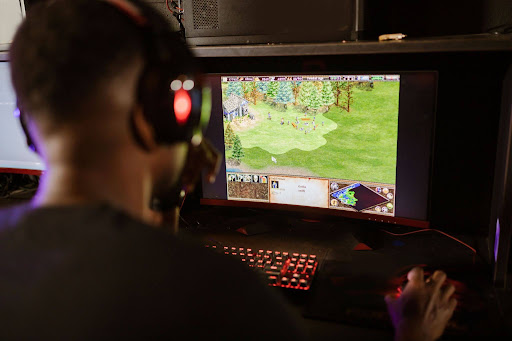
A match-3 board, a solitaire deal and a daily reward calendar share one design goal: make the next move feel small enough to take. Casual games perfected that in the early 2000s, and the habit-forming loops they built have since turned up in places their designers never planned for, including online sweepstakes casinos.
Where sweepstakes casinos sit in casual gaming
In how they present themselves, online sweepstakes casinos sit closer to casual games than to casinos. The lobby is a grid of short, colorful games. Sessions last a few minutes. Progress is shown with levels, streaks and badges, and the free currency refills on a timer. A player arriving from a puzzle app would recognize every element, down to the sparkle effect on a completed level. That familiarity is deliberate, and it lowers the barrier to trying something new far more than any promotion could.
The mechanics are borrowed, but the structure is different. Casual games sell convenience or cosmetics. Sweepstakes platforms run a second currency, Sweeps Coins, that can be redeemed for prizes. That one change turns a familiar loop into one with real stakes, and it is the reason states have been paying attention. A casual game that charges for hints is a consumer product. A platform where the same loop can pay out prizes is something regulators have started to treat as gambling.
Solitaire and match-3 roots
The genealogy is easy to trace. Microsoft put Solitaire in Windows 3.0 in 1990, partly to teach users how to drag and drop with a mouse. In 2001, PopCap published Bejeweled, which, according to The Strong National Museum of Play, popularized the match-three puzzle sub-genre. Those two games established a pattern: simple rules, fast feedback, a reason to play once more.
Slot-style games borrowed the feedback part directly, and online sweepstakes platforms inherited it from them in turn. Cascading symbols, chain reactions, escalating multipliers and bright win animations are match-3 grammar applied to reels. A player who has cleared a board of gems has already learned to read the signals those games send.
The reward calendar came later, from mobile free-to-play design, and it matters because it moves the hook from the game itself to the clock. A player no longer returns because the game is fun; the player returns because the streak is alive. Seven-day login streaks, daily spin wheels and limited-time events keep returning players engaged without asking them to spend. Sweepstakes platforms use the identical device, with free Sweeps Coins as the prize at the end of the streak.
Eligibility and consumer protections
The legal picture is moving faster than the design. California's attorney general notes in its consumer guidance on sweepstakes that it is illegal to require a purchase to enter a sweepstakes. That principle sits behind the free-entry routes, such as mail-in requests, that sweepstakes casinos advertise. States have been testing how far it stretches when the prize is redeemable virtual currency.
Oklahoma's ban on dual-currency sweepstakes play took effect on Nov. 1, 2026, and other states have acted through legislation or enforcement this year. For a player, that makes the first check a practical one: confirm the platform is permitted in the player's state before creating an account, and check again if a state changes its laws.
Playing for fun vs chasing rewards
Casual-game fans already know the difference between playing for fun and playing for the streak. The first is a few minutes of puzzle satisfaction. The second is opening an app because a reward timer is about to expire. Sweepstakes platforms are built to encourage the second, and that makes it the habit worth watching.
A few signs help. If sessions are getting longer than planned, if the free daily coins no longer feel like enough or if coin purchases have started to follow a loss, the loop has taken over from the fun. Setting a monthly entertainment budget, and keeping to it, works the same as setting a time limit on a game that tends to eat evenings. Casual players tend to be good at noticing when a game stops being relaxing, and the same self-check applies here.
Solitaire was designed to teach a mouse. Match-3 was designed to be finished in a minute. Neither was designed to be a place where real value changes hands, and the open question for the next legislative year is how much of their DNA should be allowed to travel there.



Update