
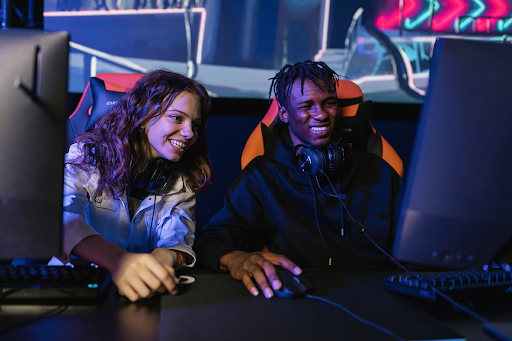
Discipline: What Students Can Learn from Professional Gaming
The surge of electronic sports (eSports) has been remarkable. What was once considered a niche game has turned into a billion-dollar industry. One that is the complete package with professional leagues, CS2 match betting and other revolutionary titles, sponsorships, and global spectators.
As competitive gaming gains legitimacy, educational institutions are starting to identify its value beyond entertainment. eSports is now being integrated into curricula across the globe. Therefore, offering students valuable skills applicable to academics, careers, and personal development.
Let's take a look at how it has evolved as an educational discipline and what benefits it offers students.
The Expanding Role of eSports in the Education Sector
eSports has moved beyond casual gaming into a structured and professional ecosystem. Schools and universities now offer eSports scholarships, degree programs, and training facilities. Countries like the United States, South Korea, and the United Kingdom are at the forefront of adding eSports into their education systems. The increase in eSports in the educational sector can be attributed to the following:
-Skyrocketing Career Chances -- The gaming industry is expanding with job chances in game d development, broadcasting, marketing, coaching, and event management.
-STEM & Digital Literacy Development -- eSports connect with science, technology, engineering, and mathematics (STEM) subjects to enhance digital skills.
-Student Immersion -- Gaming attracts students and offers an interactive, as well as practical, way to learn.
-Soft Skills Growth -- eSports teaches teamwork, leadership, communication, and critical thinking.
These are a few upsides that you can expect from this integration. So, with these in mind, let's look at some of the key lessons that students can learn from professional gaming. Dig in!
Various Skills & Lessons from eSports
Professional gamers must analyze situations swiftly, adapt to new challenges, as well as execute precise strategies. Games like League of Legends, Dota 2, and Counter-Strike necessitate split-second decision-making, anticipation of opponents' moves, and complex tactics. Hence, some of its educational benefits include critical thinking and analytical skills. It boosts logical reasoning and pattern identification and helps students evaluate risks and rewards when making decisions.
Teamwork
Many eSports pastimes mandate players to work as a team. This is just like in the traditional sports landscape. Likewise, success depends on communication, coordination, and trust between teammates. Hence, players must sync their goals, adapt to changing specifics, and support each other. Some of its educational benefits entail improvement in collaborative learning, team-based problem-solving, interpersonal skills, conflict resolution, and diplomatic communication.
Responsibility
In professional gaming, team captains and shot-callers lead strategies and guide their teams, especially under pressure. These leadership roles translate well into real-world applications. Therefore, this leads to acquiring wow educational benefits like confidence in leadership roles and responsibility for swift decision-making and performance. It equally helps to develop mentorship skills because many experienced players are usually given the role of training newbies.
Discipline
In opposition to the stereotype of "lazy gamers," professional eSports players usually follow rigorous schedules. They range from training to studying game mechanics and maintaining physical fitness. All of these require discipline to achieve. Hence, students get to acquire effective time management habits, self-discipline, and goal-setting skills. Additionally, it helps students to balance academics with extracurricular activities.
Perseverance
Like any competitive scene, losing is a natural aspect of competitive gaming. Professional gamers ought to learn from their mistakes and refine their strategies to make a powerful comeback. Hence, it offers numerous educational benefits like resilience and grit. It equally encourages a growth mindset where students see failure as learning opportunities and helps to develop emotional intelligence to handle setbacks positively.
Digital Proficiency
eSports entails more than just playing games. It helps students interested in the field to explore game development and programming, streaming & content creation, and hardware optimization & network management. Similarly, it offers numerous educational benefits like enhancing computer literacy and technical skills. It equally introduces students to coding, AI, and software engineering. Thereby, offering experience with multimedia production and digital marketing.
Health Awareness
A lot of eSports programs now emphasize physical health, mental well-being, and nutrition. Professional players participate in exercise, healthy diets, and mindfulness training to maintain peak performance. In the educational aspect, it promotes healthy gaming habits and ergonomics. It also helps raise awareness about mental health in competitive settings, promoting physical activity and stress management techniques.
More Than Just a Game
eSports is a powerful tool that can promote critical thinking, digital literacy, teamwork, and leadership. As an emerging educational discipline, it offers students real-world skills which apply to different career paths. Of course, its challenges remain, but its potential benefits outweigh the disadvantages. By recognizing eSports as a legitimate field of study, educators can engage students in innovative ways, equipping them for success in an increasingly digital world.



Update