
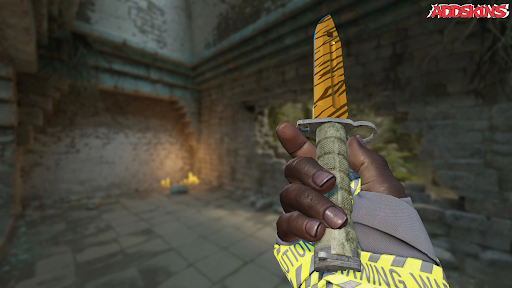
Counter-Strike skins stopped being "just cosmetics" a long time ago. Today, CS2 skins investment sits somewhere between gaming culture, digital collectibles, and speculative assets. Some players treat skins like a hobby, others like a side investment, and a few manage portfolios that rival traditional collectibles. If you're exploring ways to build value inside the CS2 economy, understand market trends, and buy CS2 skins with investment potential, it's important to approach this space with clear expectations and a solid strategy.
This guide breaks down how CS2 skin investing actually works, what drives prices, and how to avoid common mistakes - without hype or empty promises.
Why CS2 Skins Have Real Investment Value
At the core, CS2 skins are driven by scarcity, demand, and visibility. Unlike many digital items, skins are tradable, limited in supply, and deeply integrated into a massive competitive game ecosystem.
Valve controls drop rates and case availability, but the market decides value. When cases are discontinued, or collections stop dropping, supply becomes fixed. Meanwhile, player demand often grows - especially when skins gain popularity among streamers, esports pros, or collectors.
That's the foundation of CS2 skins investment: limited supply meeting emotional and aesthetic demand.
What Actually Drives Skin Prices
Not all skins appreciate. Understanding why prices move is more important than chasing trends.
1) Case Discontinuation
When a case stops dropping, new supply ends, existing skins become finite, and long-term prices often trend upward. This is one of the most reliable drivers of growth.
2) Popularity and Visibility
Skins used by pro players, major streamers, or featured during tournament broadcasts often see demand spikes. Visibility matters more than rarity alone.
3) Float, Pattern, and Condition
Two identical skins can have very different values depending on float value (wear), rare patterns, and special finishes (for example, Doppler phases). Advanced investors pay close attention to these details.
4) Market Cycles
CS2 skins follow cycles tied to major updates, operation releases, esports seasons, and player base growth. Prices often dip during large case releases and rise during quieter periods.
Long-Term vs Short-Term Skin Investing
Long-Term Holding
Long-term holding tends to work best for discontinued case skins, popular weapon models, and clean, timeless designs.
-Time horizon: 6 months to several years
-Risk level: lower (but slower returns)
Short-Term Flipping
Short-term flipping can work around event hype, meta shifts, or sudden popularity spikes.
-Time horizon: days to weeks
-Risk level: higher, requires constant monitoring
Most successful investors mix both strategies instead of choosing just one.
Common Mistakes Beginners Make
Even smart players lose money by repeating the same errors.
-Buying only because a skin is expensive - high price does not equal high growth potential.
-Ignoring liquidity - a rare skin is useless if nobody wants to buy it later.
-Overinvesting in one skin - diversification matters even in digital assets.
-Chasing hype too late - if everyone is already talking about a skin, the growth may be priced in.
-Forgetting platform fees - market fees can quietly eat into profits.
How Much Money Do You Need to Start?
One advantage of CS2 skins investment is accessibility. You can start with small amounts, and mid-tier skins often have better growth percentages than ultra-expensive ones. Compounding works too: reinvest profits instead of cashing out early.
Consistency beats big bets.
Risk Management in CS2 Skin Investing
Let's be honest: this is not a guaranteed income stream.
Key risks include Valve policy changes, drop rate adjustments, market saturation, and sudden player base shifts. Smart investors never invest money they can't afford to lock up, track historical prices (not just current listings), and avoid emotional buying.
Think in probabilities, not promises.
Are CS2 Skins Still Worth Investing In?
Short answer: yes - but selectively.
The CS2 economy is more mature than ever. That means fewer "easy wins," more importance on research, and better opportunities for patient investors. Skins tied to iconic weapons, discontinued cases, and clean aesthetics often show resilience even during market pullbacks.
Final Thoughts
CS2 skins investment works best when treated as a long-term digital collectible strategy, not a get-rich-quick scheme. Learn how the market behaves, understand why players want certain skins, and stay disciplined with your buying decisions.
If you enjoy CS2, follow esports, and like analyzing trends, skin investing can be both engaging and rewarding. Just remember: the strongest portfolios are built slowly, not overnight.



Update